
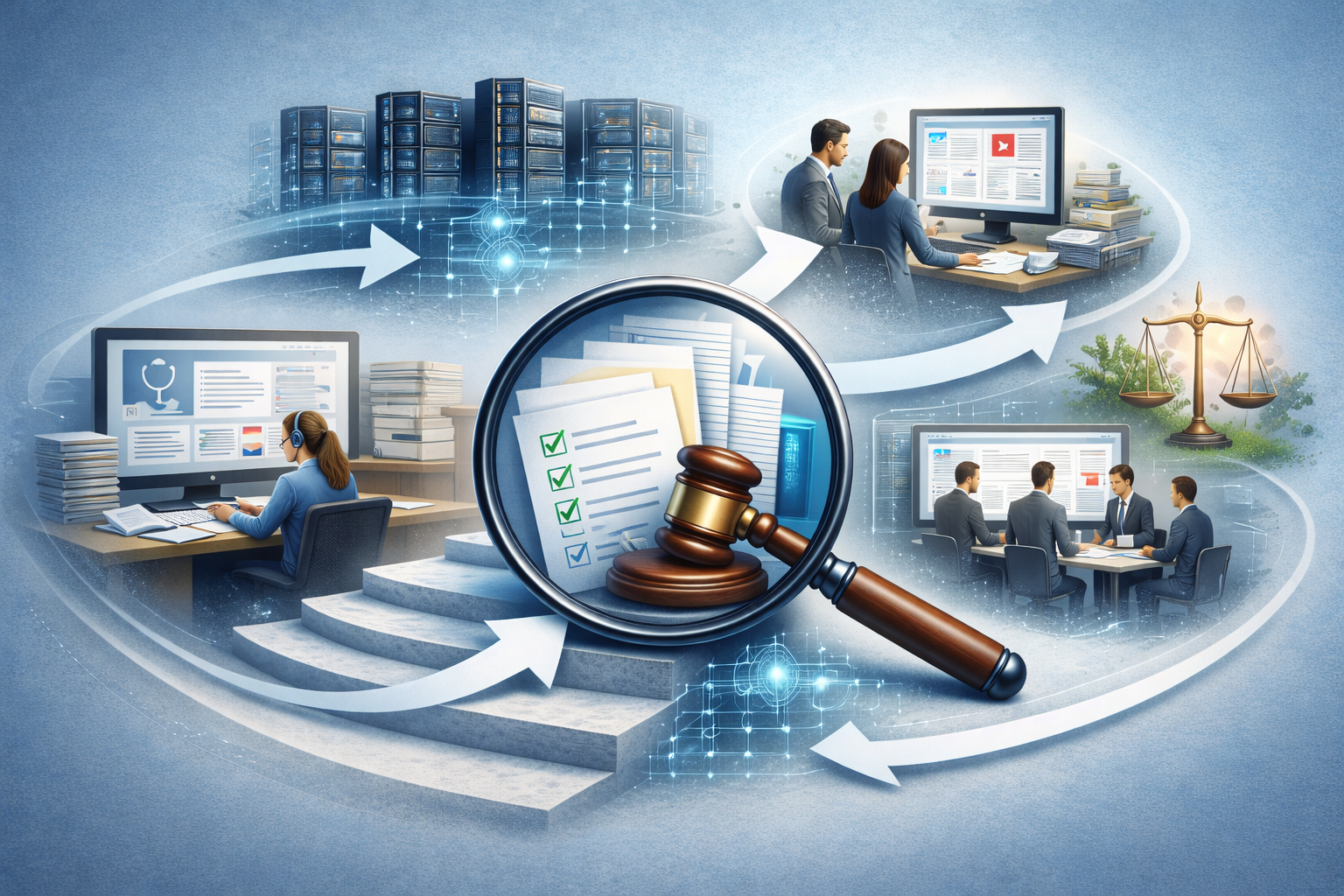
How Consumer Billing Systems Detect and Escalate Billing Disputes Internally is not mainly about the visible moment when a customer notices a wrong balance, a repeated charge, a service cutoff, or a collection transfer. The deeper structure sits inside the billing platform itself. Modern billing systems are built to process very large transaction volumes across invoices, payments, credits, service records, usage logs, account status changes, and collection timelines. Because those systems depend on internal consistency, they continuously compare one account layer against another. When those layers stop matching cleanly, the billing platform begins treating the account as a potential dispute event rather than ordinary account activity.
That is why many billing conflicts do not begin as formal “disputes” in the human sense. Internally, they often begin as classification mismatches. A payment reaches the processor but not the right invoice bucket. A service is marked canceled in one system but still active in another. A meter read arrives late and reshapes a bill after charges were already generated. A subscription plan changes in the product system before the rating engine updates the next renewal cycle. A medical claim payment posts to the insurer’s remittance layer while the provider billing ledger remains unresolved. In each case, the visible problem is only the surface result of multiple billing components moving on different internal timelines.
Understanding How Consumer Billing Systems Detect and Escalate Billing Disputes Internally therefore requires looking at architecture rather than isolated billing complaints. Billing platforms use layered monitoring systems to detect anomalies, scoring systems to classify the seriousness of those anomalies, routing systems to move accounts into specialized queues, and review systems to decide whether the issue should remain automated or move into exception handling. These structures explain why the same account can appear stable in one portal and disputed in another internal queue at the same time.
This framework also keeps the topic distinct from your existing posts. It is different from the internal explanation of how consumer billing systems allocate payments and financial adjustments across account ledgers, because this article is not centered only on allocation logic. It is also different from the structured overview showing how a billing dispute escalation process moves through review stages, because this page focuses on the detection architecture that causes escalation to begin in the first place.
The same internal logic also helps explain situations such as a medical bill still showing a remaining balance even after payment appears complete in the account history, a hospital continuing to bill after insurance payment has already been issued through another payment lane, an autopay failure appearing on the billing side even though the bank shows the payment leaving successfully, service disconnection occurring even though the billing record shows a completed payment, and a utility account entering collections without the customer seeing a normal dispute warning sequence.
Key Takeaways
- Billing disputes often begin as system mismatches before they become formal complaint cases.
- Most consumer billing platforms compare payments, invoices, service records, usage data, and account status continuously.
- Dispute detection systems classify accounts into ordinary processing or exception review lanes.
- Escalation usually starts with internal routing logic rather than a single manual decision.
- Detection, classification, and resolution are typically handled by separate internal layers.
- How Consumer Billing Systems Detect and Escalate Billing Disputes Internally is best understood as an exception-management architecture.
The First Detection Layer: Event Monitoring Across Billing Ledgers
The first operational layer in How Consumer Billing Systems Detect and Escalate Billing Disputes Internally is event monitoring. Every billing platform records a stream of account events: invoice generation, charge posting, payment receipt, credit issuance, refund activity, service activation, cancellation requests, usage imports, write-offs, delinquency flags, and account notes. These events are not stored only as a customer-visible history. They are also written to internal ledgers and event tables that support reconciliation logic.
At this stage, the system is not deciding whether a customer is right or wrong. It is asking a narrower operational question: does the new event fit the expected account state? If an account receives a payment, the billing ledger expects that payment to map to a bill, a balance bucket, or a credit reserve. If the account receives a cancellation event, the billing engine expects future recurring charges to reflect that cancellation state. If those expectations are not met, the system begins creating exception signals.
Most billing disputes are first detected not by a complaint message, but by a ledger event that does not fit the expected account sequence.
Because billing platforms run at scale, this event-monitoring layer is essential. Without it, platforms could not distinguish ordinary account changes from anomalies that require additional logic. The system has to recognize whether a mismatched event is merely pending, requires automated reconciliation, or belongs in a deeper review queue.
Example scenario: A payment posts successfully at the processor level, but the billing ledger still shows the oldest invoice as unpaid because the payment is waiting in an unapplied cash bucket.
What to Understand
Event monitoring is the earliest warning layer. It exists to detect mismatch conditions between what happened financially and what the account ledger now shows internally.
Payment Reconciliation Systems and Why Payment Signals Often Trigger Disputes
One of the most common foundations of How Consumer Billing Systems Detect and Escalate Billing Disputes Internally is payment reconciliation. Payment activity passes through several internal checkpoints before the platform treats the account as fully updated. A bank may confirm a transfer. A card processor may authorize settlement. A payment vendor may deliver a confirmation file. But the billing platform still must decide where that payment belongs and whether it clears the right balance segment.
Many billing systems do not maintain one single balance field. They maintain multiple financial layers: open invoice balances, pending transactions, unapplied payments, adjustment reserves, credit balances, collections balances, and sometimes service-specific charge buckets. When a payment lands in one layer without updating another, the system detects an inconsistency. That inconsistency often becomes the earliest operational basis for a billing dispute flag.
Payment-related disputes often happen because “payment received” and “balance resolved” are separate internal states inside the billing system.
This is why issues such as an electric bill payment appearing missing even though funds were submitted, a gas bill payment not being applied to the intended balance bucket, a water bill payment showing no visible credit against the invoice after submission, and a scheduled payment falling outside the billing cutoff logic even though it still processed are structurally similar. They all reflect a system distinction between money movement and ledger allocation.
This section also complements, rather than duplicates, the separate informational article explaining how consumer billing systems allocate payments and adjustments internally across billing records. That page explains the allocation mechanism itself. This page focuses on how failures or timing gaps in that mechanism become dispute-detection triggers.
Example scenario: A subscription payment settles after the invoice cutoff, causing the system to generate a late-status flag even though the money arrived within the customer’s expected payment window.
What to Check
Payment disputes usually arise where processor confirmation, internal ledger mapping, and invoice status timing fail to align at the same moment.
Service Status Validation and the Link Between Operations and Billing
Another major layer in How Consumer Billing Systems Detect and Escalate Billing Disputes Internally is service status validation. Billing systems do not operate alone. They receive state changes from operational systems that manage activation, disconnection, suspension, plan changes, move orders, meter service changes, subscription renewals, and cancellation workflows. The billing engine then decides whether future charges should continue, stop, prorate, reverse, or wait for additional validation.
This link between operations and billing is one of the most common sources of dispute detection. If the service platform says one thing and the billing platform shows another, the account becomes structurally unstable. A canceled service may still generate recurring charges. A disconnected account may continue producing usage-based fees if the usage import arrives before the cancellation status finalizes. A moved mobile line may carry old-rate or wrong-plan records into the next invoice cycle. These are not random mistakes. They are conflicts between system-of-record timing layers.
Billing systems frequently detect disputes when service lifecycle records and invoice-generation logic stop reflecting the same account reality.
This architecture explains situations such as internet service continuing to be billed after cancellation events were already submitted, subscription cancellation records failing to convert into billing suppression inside the next renewal cycle, a canceled subscription still producing recurring charges in later billing runs, and a mobile bill cancellation date dispute caused by a mismatch between account closure timing and invoice generation timing.
Example scenario: The service management system marks an internet line canceled on one date, but the billing platform receives the cancellation feed after the next invoice cycle has already been produced.
What to Understand
Service status disputes usually reflect synchronization problems between operational records and charge-generation logic, not only pricing errors on the bill itself.
Usage Data, Rating Engines, and Threshold-Based Anomaly Detection
How Consumer Billing Systems Detect and Escalate Billing Disputes Internally also depends heavily on usage verification. Utility, telecom, mobile, and internet billing platforms often generate charges by combining recorded consumption with pricing rules. That means the billing engine is only as stable as the data feed it receives and the rating logic it applies. If either side looks abnormal, the account may be flagged for review before or after invoice issuance.
Usage-based platforms often maintain threshold rules that compare current activity against historical norms, technical validation ranges, or service-tier expectations. A dramatic spike in water usage, an unusual roaming event burst, a high overage count after a plan change, or an inconsistent meter read can all create anomaly conditions. The system may still bill the event, but it can simultaneously mark the account for dispute potential because the usage pattern diverges from its normal internal expectations.
In usage-based billing, a dispute signal often begins when the system decides the charge is mathematically possible but operationally unusual.
This structure helps explain posts such as a mobile bill data overage dispute caused by consumption and plan-threshold conflicts, roaming charge disputes where usage logs and plan assumptions do not align cleanly, water bill meter disputes involving inconsistent reading logic, water bills flagged by unusually high consumption patterns compared with prior cycles, gas bills created from meter readings that do not look consistent with prior account behavior, and electric bills that appear abnormally high because rating outputs diverge sharply from historical use patterns.
Example scenario: A water account receives a valid meter import, but the consumption increase exceeds internal variance thresholds and the billing platform simultaneously generates a review flag.
What to Check
Usage disputes often come from the interaction between data capture, rating logic, and historical comparison thresholds rather than from one obviously broken line item.
Rule Conflict Detection in Subscription and Plan-Based Billing
Subscription billing adds another layer to How Consumer Billing Systems Detect and Escalate Billing Disputes Internally because plan-based systems operate through entitlement rules, renewal logic, promotion windows, free-trial timing, upgrade paths, and cancellation workflows. These systems are less dependent on physical usage and more dependent on rule sequencing. If those rules collide, the billing engine can create account states that appear contradictory even though each underlying event processed according to some part of the system.
A free trial may end under one timestamp standard while cancellation is stored under another. A plan upgrade may prorate under one pricing table while the account summary reflects another plan tier. A refund may be approved in the commerce system while the card-credit file has not yet reached settlement. A deleted app may no longer be active for the customer, yet the subscription ledger may still treat the renewal as open because the cancellation did not close the billing authorization path. These are classic rule-conflict environments.
Subscription disputes are often detected when product logic, renewal logic, and payment logic each describe the account differently at the same time.
This explains why posts like subscription price increases appearing without the customer recognizing the pricing-rule transition, plan upgrade charges being calculated under conflicting proration logic, free-trial billing beginning after trial expiration under renewal timing rules, charges appearing even after cancellation during the free-trial window, refund approvals not yet matching visible card-credit outcomes, and double charges arising from duplicated renewal or retry logic are part of the same structural category.
This topic stays distinct from the existing informational article explaining how subscription free trials convert to paid plans inside billing systems. That page explains the trial-to-paid conversion path itself. This authority page explains how conflicts within those rule paths become dispute signals and escalation triggers.
Example scenario: A user cancels during the final day of a free trial, but the renewal engine has already queued the paid conversion event before the cancellation record reaches the billing logic layer.
What to Understand
Subscription disputes often reflect sequencing conflicts between entitlement, renewal, pricing, and settlement systems rather than one simple mistaken charge.
Dispute Scoring, Account Flags, and Escalation Routing
After a billing anomaly is detected, the platform moves into classification. This is where How Consumer Billing Systems Detect and Escalate Billing Disputes Internally becomes more than passive monitoring. The system now evaluates whether the anomaly is minor, temporary, financially material, operationally risky, or likely to trigger downstream problems such as service interruption, refund exposure, delinquency, or collections routing.
Many platforms use internal flags, scoring logic, or priority codes to determine what happens next. Some flags simply mark the account for later reconciliation. Others suppress automated dunning activity until the issue is reviewed. Others send the account into a dispute-management queue, a supervisor review lane, a payment-integrity team, or a compliance-related exception workflow. The key point is that escalation is not just a customer-service action. It is a system-routing decision that determines who owns the account next.
Escalation begins when the billing system decides the anomaly can no longer remain inside ordinary processing without creating greater account inconsistency.
This makes the topic broader than your separate page on how a billing dispute escalation process moves step by step across internal review levels. That page describes the visible process path. This page explains the internal scoring and routing logic that causes an account to enter that path at all.
Example scenario: A utility account has an open balance, a recently posted payment, an administrative hold code, and an unresolved meter exception. The system routes it into a specialist queue instead of allowing ordinary collection automation to continue.
What to Check
Account flags often combine several conditions at once: financial inconsistency, timing risk, repeated dispute history, service sensitivity, and pending status conflicts.
Risk, Compliance, and Pre-Collections Exception Handling
Some of the most serious layers in How Consumer Billing Systems Detect and Escalate Billing Disputes Internally involve risk and compliance structures. These layers do not review accounts only for billing correctness. They review whether an account’s dispute pattern, service category, regulatory exposure, collections status, or customer-contact history requires tighter controls before normal downstream action continues.
In healthcare, utilities, telecom, and certain subscription models, the system may pause, reroute, or intensify review when a disputed account is approaching disconnection, collections transfer, legal handling, or sensitive consumer-protection thresholds. This is especially important where account treatment is governed by internal policy or external regulatory expectations. As a result, an account may be flagged not only because the bill looks wrong, but because the dispute now sits near an outcome that creates higher operational risk.
Risk and compliance review often begins when a billing anomaly approaches a downstream action the company cannot safely handle through ordinary automated workflows alone.
This structure connects closely with the informational article explaining how utility billing systems flag accounts for risk and compliance review, but it remains broader. That page focuses on utility-specific review logic. This page maps how risk and compliance escalation fits into consumer billing architecture across industries.
It also helps explain situations such as a utility account being placed on administrative hold after billing conflict signals appear, a medical bill entering collections while the account history does not reflect a normal visible warning sequence, and a utility bill being routed into legal review before the standard collections path is completed.
Example scenario: A disputed balance reaches a collections threshold, but the system also detects unresolved payment and account-note conflicts, so the account is diverted to pre-collections exception review.
What to Understand
High-risk dispute routing is usually about operational control. The company is deciding that automated next steps should not continue until the account inconsistency is reviewed under a stricter standard.
Why Detection and Resolution Are Separate Internal Systems
A final structural principle in How Consumer Billing Systems Detect and Escalate Billing Disputes Internally is the separation between detection and resolution. Detection systems are optimized for scale. They identify mismatches quickly, assign codes, and direct accounts into the correct lanes. Resolution systems are optimized for interpretation. They examine whether the flagged event reflects a timing gap, a true billing error, a rule exception, a valid charge, a partial credit condition, or a broader account correction need.
This separation matters because it explains why accounts can be flagged even when no final correction has been made yet. The platform’s first duty is not always to solve the dispute immediately. Its first duty is to stop the account from continuing through the wrong automated path. Once the account is contained in the right lane, the resolution layer can determine whether an adjustment, reversal, clarification, note override, or suppression is appropriate. Modern billing systems are designed to detect first and interpret second.
This also explains why customers sometimes see delay, pending status, or conflicting account messages during a billing conflict. One system has already identified the account as unstable, while another has not yet completed the interpretive review needed to create a final visible outcome.
Example scenario: A mobile account is flagged for an unauthorized add-on charge because the feature activation, usage start, and customer-consent records do not align cleanly, but the final account correction is still under specialist review.
What to Check
Detection is about containment and routing. Resolution is about evidence, interpretation, and final account treatment. Those are usually different jobs handled by different internal layers.
The Structural Meaning of Billing Dispute Escalation Across Consumer Industries
Across healthcare, utilities, telecom, internet, and subscription services, How Consumer Billing Systems Detect and Escalate Billing Disputes Internally follows the same broad pattern. A billing event enters the system. Internal ledgers compare the event against invoice logic, payment logic, service status, usage data, and downstream account controls. If everything matches, the account remains in ordinary processing. If the account begins to describe two different realities at once, the platform creates a dispute signal. That signal is then classified, scored, and routed.
That is the main reason this article does not substantially overlap with your existing problem pages. Those pages each focus on one visible outcome: overcharge after move, charged twice, service canceled but still billed, meter reading conflict, collections transfer, or refund not credited. This authority piece sits above those posts. It explains the internal architecture that makes all of them possible without repeating their situation-level framing.
For official background on consumer billing dispute protections in the United States, see the Consumer Financial Protection Bureau explanation of how to dispute a charge on a credit card bill under federal consumer protection rules.
In that sense, How Consumer Billing Systems Detect and Escalate Billing Disputes Internally is really a map of exception control. Billing systems are built for scale, but they are also built for containment. When an account stops fitting its own internal record structure, the system must decide whether to reconcile it automatically, suppress harmful downstream actions, or escalate it into specialist review. That routing decision is the core of modern billing dispute architecture.
Once that structure is understood, many billing outcomes that look unrelated begin to fit the same framework. A late-applied payment, a duplicated utility charge, a roaming fee dispute, a medical balance that survives payment, a canceled subscription that still renews, or a collections referral that appears too early are all different surface expressions of the same internal question: does the account still belong in ordinary billing flow, or has it become an exception case that the system must escalate?
That is the operational foundation behind How Consumer Billing Systems Detect and Escalate Billing Disputes Internally. The issue is not simply whether a charge exists. The issue is whether the billing platform can still maintain one coherent account story across all of its ledgers, service records, usage systems, and downstream control layers. When it cannot, escalation begins.