
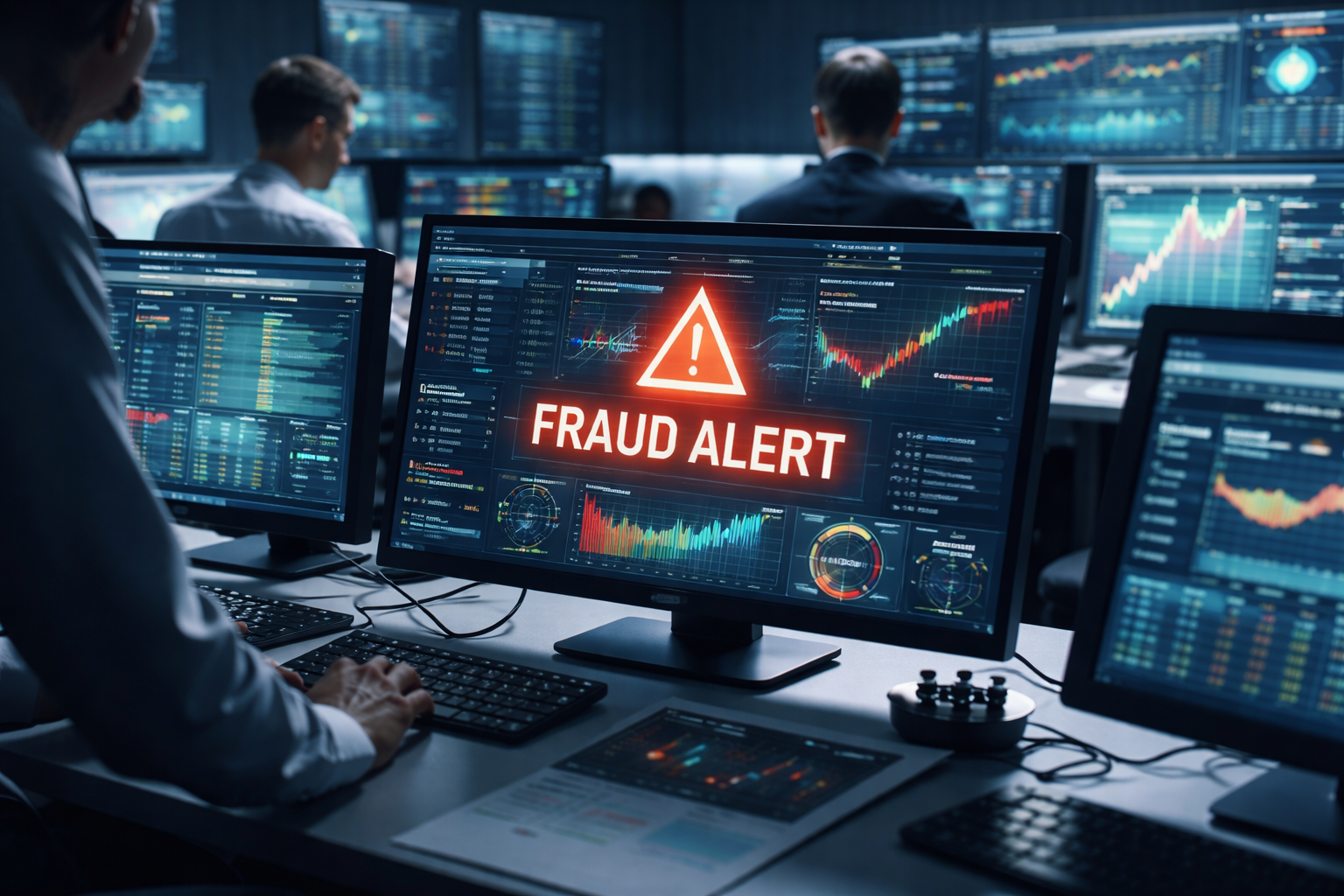
How Billing Systems Flag Accounts for Fraud and Abuse Internally is rarely visible to consumers, yet it operates constantly behind the scenes of modern billing platforms. Subscription services, telecom providers, utilities, and healthcare billing systems all run continuous monitoring layers that analyze transactions, account behavior, and billing patterns long before a formal dispute occurs.
Billing infrastructure today is built around multiple monitoring layers that detect anomalies, evaluate risk, and route accounts into specialized internal queues. These systems do not wait for a consumer complaint. Instead, they continuously evaluate behavioral signals inside the account lifecycle. The moment an account pattern deviates from expected billing behavior, monitoring systems begin to flag signals that may indicate fraud or abusive activity.
Understanding how these monitoring layers operate is useful when analyzing billing irregularities. For a deeper explanation of how dispute workflows are routed inside billing platforms, see the guide this analysis of how consumer billing systems detect and escalate billing disputes internally, which explains how disputes move through internal queues.
Another useful structural reference is this breakdown of how consumer billing systems allocate payments and adjustments inside account ledgers, which explains how billing ledgers record financial activity before risk monitoring layers analyze it.
Billing risk frameworks also overlap with subscription infrastructure. For context on automated billing transitions, see this explanation of how subscription free trials convert to paid plans inside billing systems, which shows how automated billing triggers are generated.
Utility environments operate with similar monitoring structures. A related analysis is available in this explanation of how utility billing systems flag accounts for risk and compliance review, which focuses on regulatory monitoring layers.
Although these systems vary by industry, the underlying architecture is similar. Fraud detection in billing environments typically operates as an embedded monitoring layer that sits between transaction processing and dispute management.
Key Takeaways
- Billing systems constantly monitor account activity for abnormal billing behavior.
- Fraud monitoring layers evaluate transaction patterns, account history, and payment behavior.
- Accounts may be flagged internally before a customer ever notices a billing issue.
- Flagged accounts are typically routed into internal review queues rather than immediate enforcement.
- Fraud monitoring often overlaps with risk scoring, payment validation, and compliance monitoring.
The Monitoring Layer Inside Modern Billing Platforms
Most large billing environments contain an internal monitoring layer that operates continuously alongside payment processing. This monitoring layer evaluates account behavior across several categories: transaction frequency, billing pattern changes, payment anomalies, and unusual account activity.
When explaining How Billing Systems Flag Accounts for Fraud and Abuse Internally, it is important to recognize that monitoring systems rarely rely on a single signal. Instead, they combine multiple indicators into a risk profile. These indicators may include sudden spending increases, abnormal subscription changes, payment reversals, or irregular billing activity.
The monitoring layer does not directly enforce penalties or changes to the account. Instead, it generates internal signals that feed into risk evaluation engines used by billing administrators and automated compliance tools.
For example, a subscription platform may detect that an account repeatedly activates and cancels services within unusually short intervals. The billing system may interpret this pattern as potential abuse of promotional offers.
Behavioral Pattern Analysis Within Billing Accounts
A central mechanism behind How Billing Systems Flag Accounts for Fraud and Abuse Internally involves behavioral pattern analysis. Rather than evaluating a single transaction, billing systems analyze patterns across time.
Behavioral monitoring examines account history, including the frequency of service changes, billing disputes, refunds, and payment reversals. Billing systems treat account behavior as a continuous data stream rather than isolated events.
This pattern analysis allows systems to identify activities that may not appear suspicious individually but become unusual when repeated frequently.
For example, an account that repeatedly upgrades and downgrades subscription tiers within short intervals may trigger internal monitoring signals even if each individual change appears legitimate.
What to Understand
Pattern monitoring typically examines several categories simultaneously:
- transaction timing patterns
- payment reversal frequency
- refund requests over time
- service activation and cancellation cycles
These signals allow billing systems to determine whether account activity reflects typical customer behavior or potentially abusive billing patterns.
Transaction Monitoring and Payment Irregularities
Another major component of How Billing Systems Flag Accounts for Fraud and Abuse Internally is transaction monitoring. Every payment, refund, and billing adjustment generates ledger activity that monitoring systems analyze in real time.
Transaction monitoring engines evaluate payment sources, transaction velocity, and reversal activity. For example, repeated payment reversals or chargebacks may trigger risk signals that move the account into a monitoring queue.
Billing systems often evaluate transaction velocity — the speed and frequency at which financial events occur within an account.
When payment activity exceeds expected patterns, the monitoring system may generate alerts for internal review teams.
An example scenario might involve an account submitting several payment attempts from multiple cards within a short time window, which could indicate unauthorized payment testing.
Risk Scoring Models Used by Billing Platforms
In many platforms, How Billing Systems Flag Accounts for Fraud and Abuse Internally depends on automated risk scoring models. These models aggregate dozens of behavioral signals into a numerical score representing the likelihood of fraud or abuse.
Risk scores are dynamic and constantly updated as new activity occurs. Billing administrators often use threshold values to determine when accounts should be routed into additional review stages.
Risk scoring allows billing systems to evaluate account behavior continuously rather than reacting only after disputes occur.
These scoring models often incorporate machine-learning systems or rule-based algorithms depending on the platform.
An account that repeatedly triggers minor risk signals may gradually accumulate a higher risk score, eventually reaching a threshold that triggers internal review.
Internal Review Queues and Fraud Investigation Routing
When monitoring signals reach a predefined threshold, the account may be routed into internal review queues. These queues allow specialized teams to examine account behavior more closely.
How Billing Systems Flag Accounts for Fraud and Abuse Internally often leads to routing workflows rather than immediate enforcement actions. Internal teams may evaluate account history, billing records, and transaction logs before making decisions.
Flagging an account does not automatically indicate confirmed fraud. In many cases, flagged signals simply indicate activity patterns that differ from the platform’s expected usage models.
Accounts in review queues may undergo additional monitoring rather than immediate account restrictions.
For example, an account flagged for unusual billing behavior may remain active while internal monitoring systems track additional activity over time.
For broader context on escalation procedures, see this overview of the billing dispute escalation process step by step, which explains how internal review stages operate.
Fraud Monitoring Across Different Billing Industries
The mechanisms behind How Billing Systems Flag Accounts for Fraud and Abuse Internally vary depending on industry structure. Healthcare billing, telecom billing, subscription services, and utilities each implement specialized monitoring frameworks.
Healthcare billing platforms often monitor unusual claim adjustments or repeated billing corrections. Telecom billing systems may analyze international calling patterns or unusual roaming activity. Subscription platforms frequently monitor promotional abuse and refund cycles.
Although these industries operate different billing infrastructures, their fraud monitoring architecture typically relies on similar behavioral analysis models.
A telecom provider, for example, may detect an account generating unusually high international call activity immediately after activation.
Utility providers may detect abnormal account activity associated with meter irregularities or unusual payment behavior.
Regulatory and Compliance Oversight in Billing Fraud Monitoring
Fraud monitoring systems must also operate within regulatory frameworks. Billing providers in the United States often implement monitoring procedures designed to comply with consumer protection and financial oversight regulations.
These compliance layers ensure that monitoring systems are used for risk evaluation rather than arbitrary enforcement.
Regulatory oversight requires billing systems to maintain documentation of monitoring signals, investigation steps, and review outcomes.
For reference, the Consumer Financial Protection Bureau provides guidance on consumer billing disputes and billing error rights, which explains how billing investigations are regulated.
Although fraud monitoring primarily operates internally, these regulatory frameworks shape how monitoring signals are interpreted and reviewed.
Why Fraud Flagging Often Happens Before a Billing Dispute
One of the most important aspects of How Billing Systems Flag Accounts for Fraud and Abuse Internally is timing. Monitoring signals frequently appear long before any formal dispute occurs.
Billing systems analyze data continuously, meaning irregular account behavior may be flagged weeks or months before a customer becomes aware of an issue.
Fraud monitoring operates as a preventative infrastructure rather than a reactive system.
This architecture allows billing providers to detect abnormal patterns early, reducing the likelihood that billing disputes escalate into larger operational issues.
In some cases, monitoring systems may flag unusual account activity that later becomes the subject of a formal billing dispute.
The Broader Architecture Behind Billing Fraud Detection
How Billing Systems Flag Accounts for Fraud and Abuse Internally is best understood as part of a broader billing architecture that includes transaction processing, ledger management, dispute routing, and compliance monitoring.
Each layer performs a specific function. Transaction systems process payments and billing events. Ledger systems record financial activity. Monitoring layers evaluate behavior patterns. Review queues handle risk investigation.
Together, these layers create a continuous monitoring environment designed to identify irregular billing behavior early in the account lifecycle.
Although the specific algorithms and thresholds vary across platforms, the structural framework behind fraud detection remains remarkably consistent across billing industries.